History of Gulab Chakkar
Located in the heart of Malwa, the city of Ratlam boasts a rich and proud history along with remarkable archaeological heritage. Among the key historical landmarks of this city is Gulab Chakkar, a monument that continues to be known for its uniqueness and grandeur.
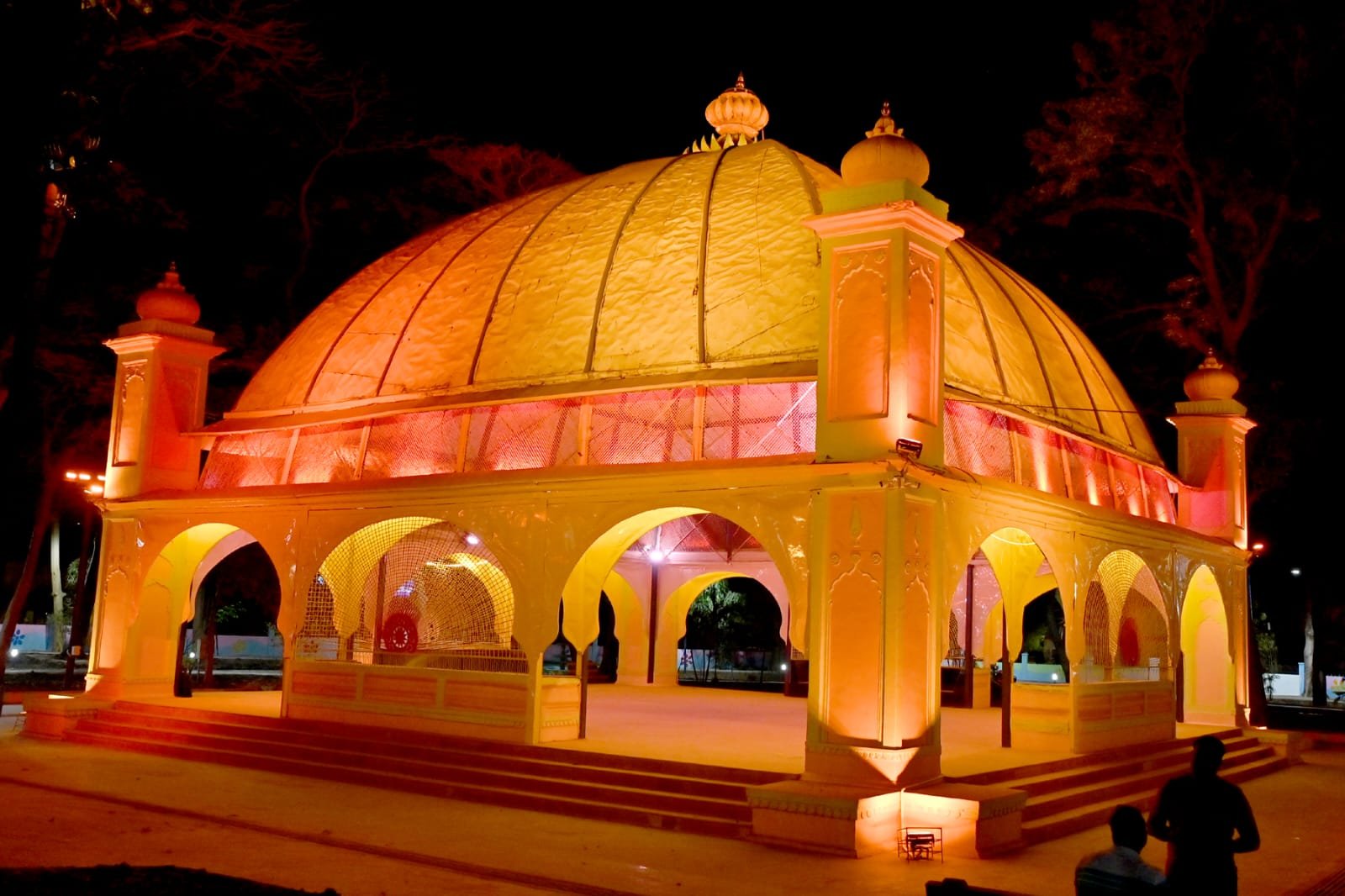
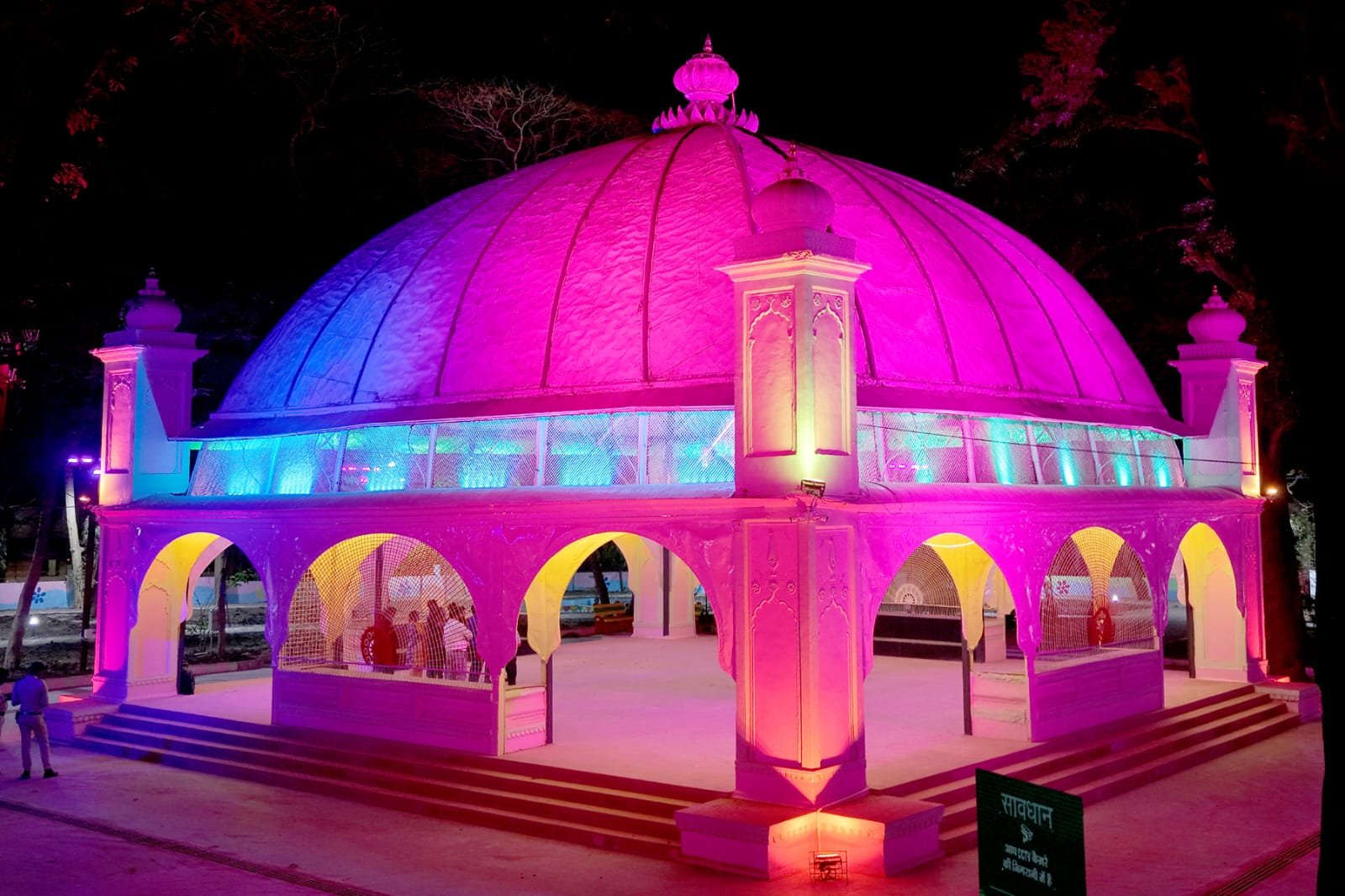
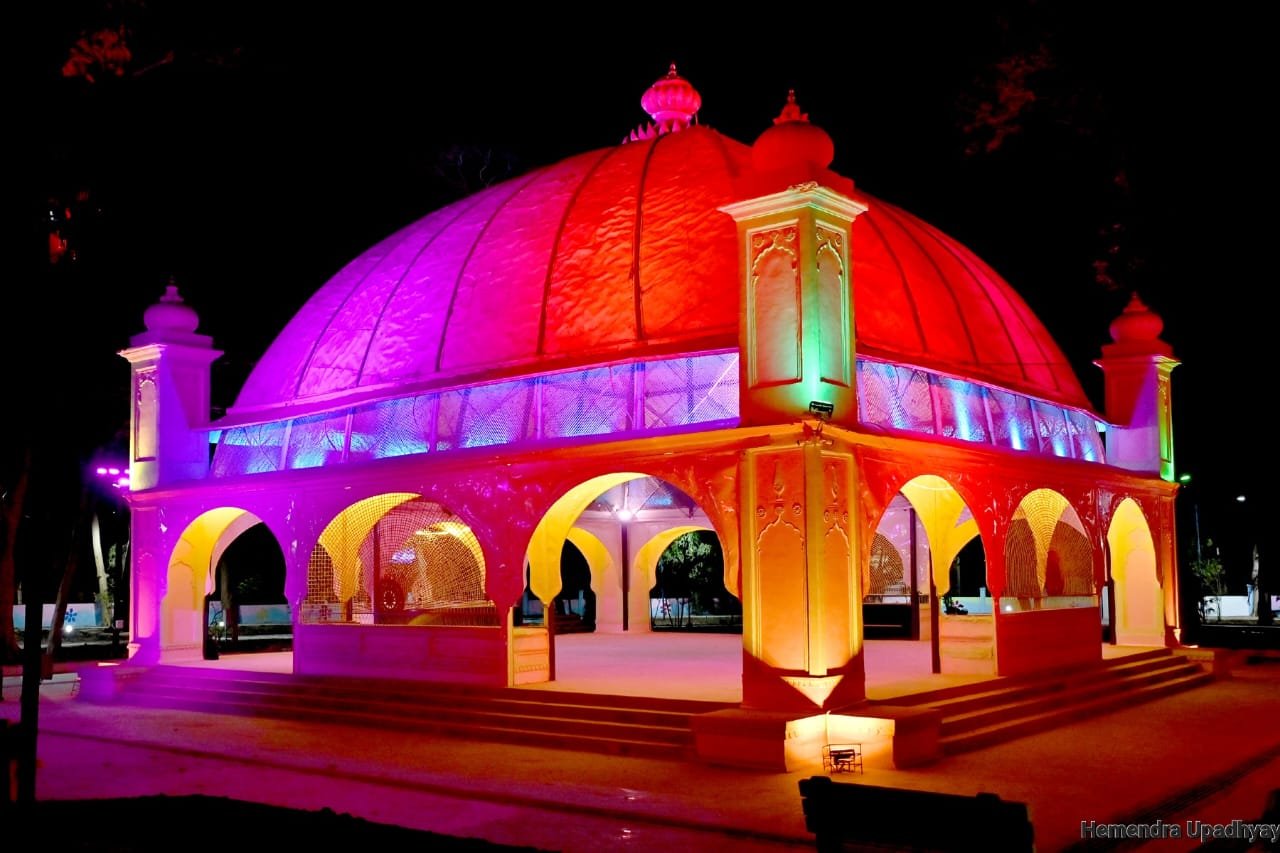
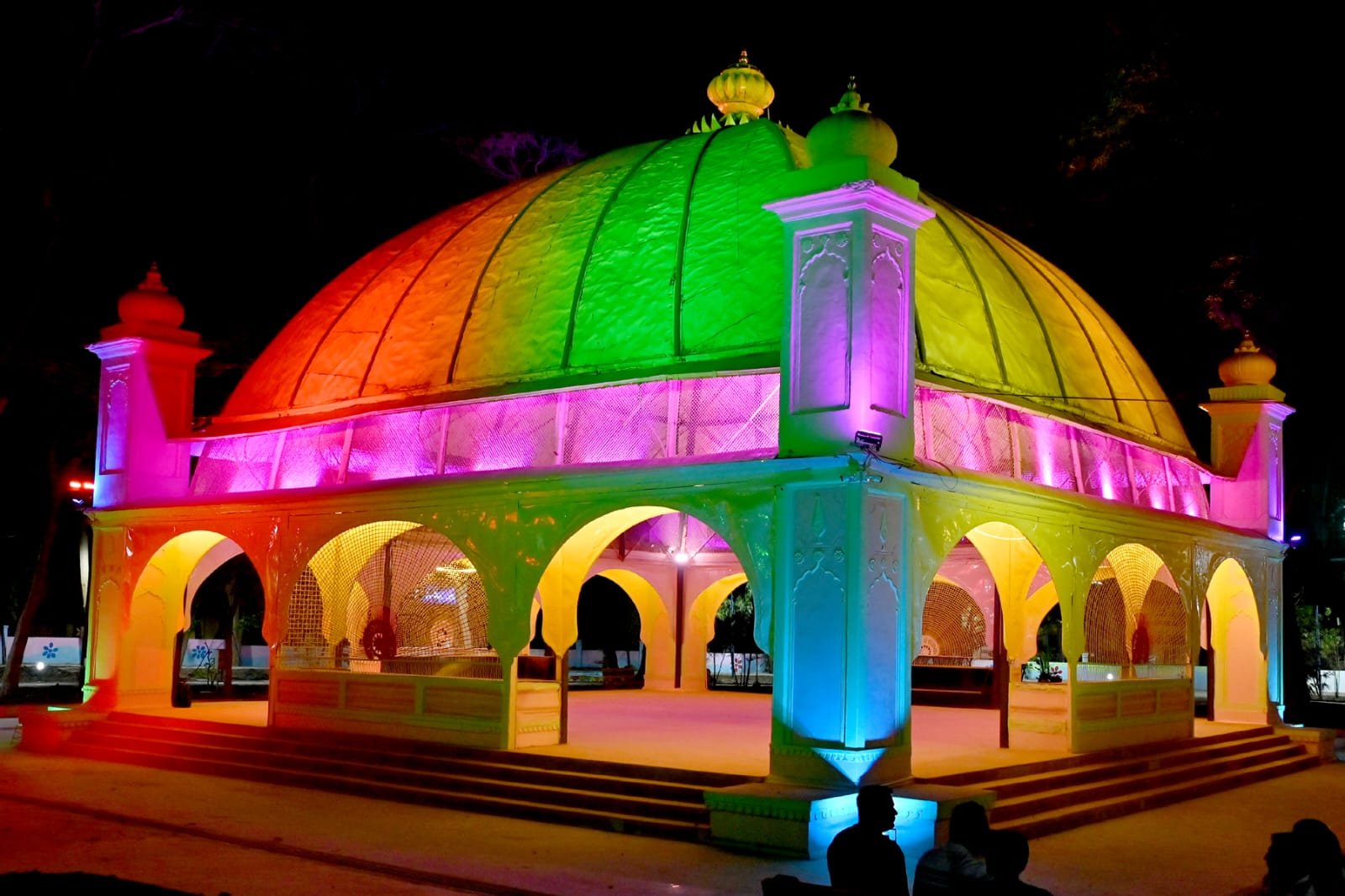
This circular structure was built in 1879 by the then ruler of Ratlam, King Ranjit Singh, in the name of his daughter Gulab Kunwar. The construction was supervised by the court official Munshi Shahmat Ali. What makes this monument truly special is its symmetrical architecture — it appears the same from all four directions. It remains the only structure from the princely era in Ratlam with such uniformity in design. Enhancing its elegance, the monument is flanked by the historic Rambagh Kothi on one side and Herbert Villa on the other.
In its early days, Gulab Chakkar symbolized the beauty and cultural life of Ratlam. During evenings, when the monument was lit up, the nearby Maharaja played tennis while a live band filled the air with melodious tunes. Fountains sprayed a pink mist, bathing the entire environment in a rose-colored hue.
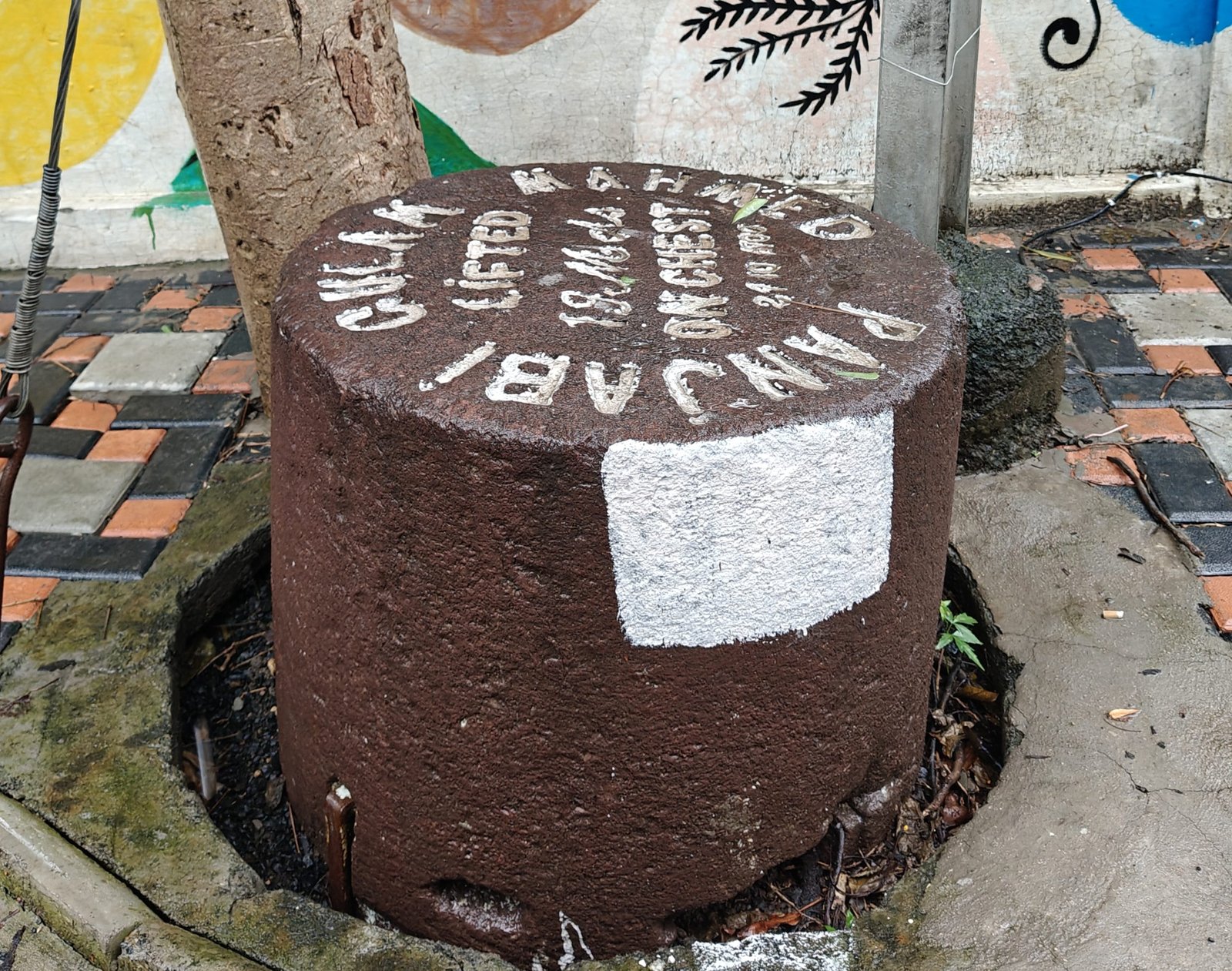
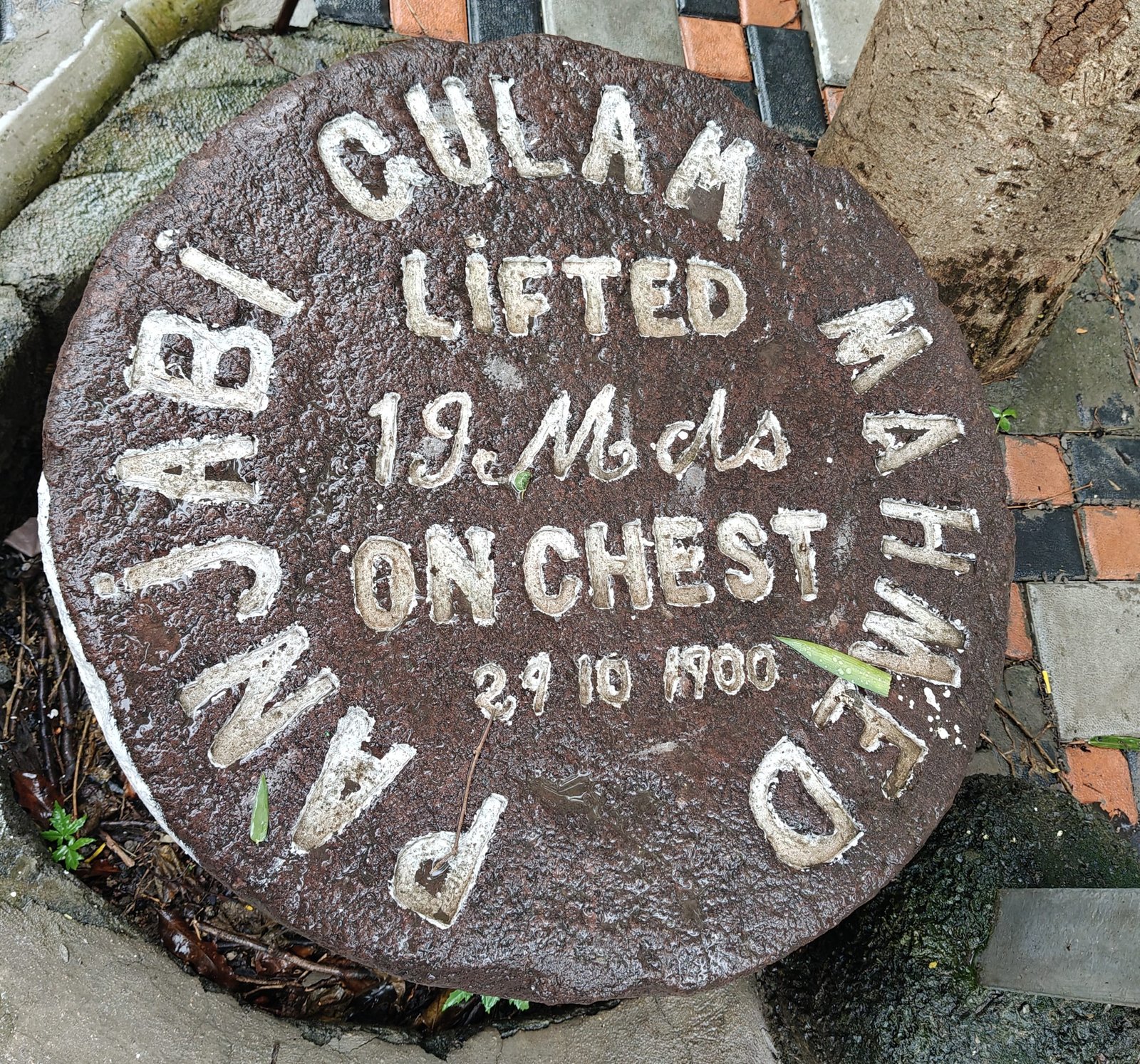
An interesting historical episode is also associated with this site. During the reign of Maharaja Sajjan Singh (1880–1947), a public wrestling event featuring Ghulam Mohammad, a renowned wrestler from Punjab, was organized in 1900. As part of the event, the wrestler was tasked with carrying a 7 quintal circular stone on his chest from Ranjit Vilas Palace to Mitra Nivas Bhavan. Although he managed to reach Rambagh, the stone eventually slipped near the entrance of the Kalika Mata Temple, where it lay for many years. Today, that very stone has been installed at Gulab Chakkar — serving as a testament to the princely state’s encouragement of sports.
Over time, due to neglect, Gulab Chakkar fell into disrepair. However, thanks to the efforts of the Ratlam Council for Archaeology, Tourism & Culture, along with public cooperation, the site has been beautifully restored to its original glory. Today, this historic monument has become a key attraction for art lovers, history enthusiasts, and citizens of Ratlam alike.